

Fleas are one of the most common parasites affecting dogs, and finding the right treatment can feel overwhelming with so many options available. Whether you’re dealing with an active infestation or looking to prevent one, this comprehensive guide will help you choose the best flea treatment for your dog in 2026.
Understanding Flea Infestations
Before diving into treatments, it’s important to understand what you’re dealing with. Adult fleas make up only 5% of a flea infestation – the remaining 95% consists of eggs, larvae, and pupae in your home environment. This is why effective flea control requires treating both your pet and your environment.
Signs your dog has fleas include excessive scratching, visible flea dirt (black specks that turn red when wet), hair loss, and skin irritation. Some dogs develop flea allergy dermatitis, an allergic reaction to flea saliva that causes severe itching even from a single bite.
Types of Flea Treatments
Topical Treatments
Topical flea treatments, also called spot-on treatments, are applied directly to your dog’s skin, usually between the shoulder blades. These treatments spread across the skin through natural oils and provide month-long protection. They’re effective against adult fleas and often contain ingredients that also kill eggs and larvae.
Popular topical treatments include fipronil-based products and those containing imidacloprid. They start working within 12-24 hours and remain effective for 30 days. The main advantage is that they’re waterproof after 24-48 hours and don’t require your dog to swallow anything.
Oral Flea Medications
Oral flea treatments are chewable tablets that work systemically. When a flea bites your treated dog, it ingests the medication and dies. These treatments are highly effective and start working within 30 minutes to 4 hours depending on the product.
The benefit of oral treatments is that there’s no risk of washing off, and they’re ideal for dogs who swim frequently. Some products like spinosad and afoxolaner offer monthly protection, while others like nitenpyram provide same-day relief but need more frequent administration.
Flea Collars
Modern flea collars have come a long way from the ineffective versions of the past. Today’s flea collars use sustained-release technology to provide up to 8 months of continuous protection. They release active ingredients that distribute across your dog’s skin and coat.
Quality flea collars are water-resistant and effective against fleas at all life stages. They’re convenient and cost-effective for long-term prevention, though they may not be the best choice for active infestations requiring immediate relief.
Flea Shampoos and Sprays
Flea shampoos provide immediate relief by killing adult fleas on contact. However, they don’t provide residual protection, so they’re best used as part of a comprehensive treatment plan rather than as a standalone solution. They’re excellent for giving your dog immediate relief while starting a long-term preventive treatment.
Flea sprays can be applied to your dog’s coat and also used on bedding, carpets, and furniture. Some sprays contain insect growth regulators (IGRs) that prevent flea eggs and larvae from developing into adults.
Choosing the Right Treatment for Your Dog
Several factors should influence your choice of flea treatment:
Dog’s Age and Weight: Many flea treatments have minimum age and weight requirements. Puppies under 8 weeks often can’t use standard flea treatments and may need veterinary-recommended alternatives.
Lifestyle: If your dog swims regularly or gets frequent baths, oral medications or water-resistant collars might be better than topical treatments. Active outdoor dogs may need more robust protection than indoor pets.
Health Conditions: Dogs with seizure disorders, liver problems, or other health issues may need specific types of flea treatments. Always consult your veterinarian if your dog has pre-existing conditions.
Other Pets: If you have cats, be extremely careful – some dog flea treatments containing permethrin are toxic to cats. Ensure all products are safe for all pets in your household.
Natural and Chemical-Free Options
Some pet owners prefer natural flea control methods. While these can be part of your flea prevention strategy, they’re generally less effective than conventional treatments for active infestations.
Natural options include diatomaceous earth (food-grade only), essential oil blends (use cautiously and ensure they’re pet-safe), regular grooming with a flea comb, and maintaining a clean environment with frequent vacuuming and washing of pet bedding.
Neem oil, cedar oil, and certain essential oils have natural flea-repelling properties, but they should never replace veterinary-recommended treatments for serious infestations.
Environmental Treatment
Treating your dog alone won’t eliminate fleas. You must also treat your home environment:
Vacuum thoroughly and frequently, paying special attention to areas where your dog spends time. Dispose of vacuum bags immediately. Wash all pet bedding, blankets, and removable furniture covers in hot water weekly during an infestation.
Use environmental flea sprays containing IGRs to prevent flea reproduction. Treat outdoor areas where your dog spends time, focusing on shaded areas and under decks or porches where fleas thrive.
Where to Find Quality Flea Treatments
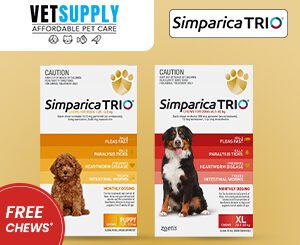
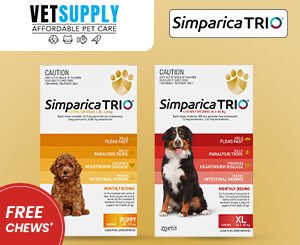
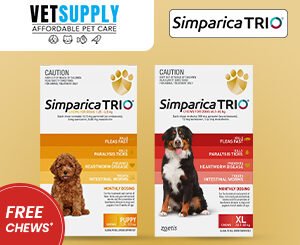
Finding reliable, effective flea treatments is essential for protecting your dog’s health. VetSupply offers a comprehensive range of veterinary-recommended flea treatments for dogs of all sizes and ages. Their selection includes topical treatments, oral medications, collars, and environmental control products from trusted brands.
When shopping for flea treatments, look for products that:
- Are approved by veterinary authorities
- Have clear instructions and dosing information
- Specify the age and weight requirements
- Offer protection against multiple life stages of fleas
- Come from reputable manufacturers
Browse VetSupply’s complete flea and tick prevention range to find the perfect solution for your dog’s needs. They stock everything from fast-acting treatments for immediate relief to long-term preventive options.
Treatment Tips and Best Practices
To maximize the effectiveness of flea treatments:
Consistency is Key: Apply treatments on schedule. Mark your calendar for monthly applications to ensure continuous protection. Missing even one dose can allow flea populations to rebound.
Treat All Pets: Fleas don’t discriminate. Treat all dogs and cats in your household simultaneously, even if only one shows signs of fleas.
Year-Round Protection: In Australia’s warm climate, fleas can be active year-round. Don’t stop treatments during winter months.
Follow Instructions Carefully: Use the correct dose for your dog’s weight. Underdosing can lead to treatment failure and potentially contribute to product resistance.
Monitor for Side Effects: While rare, some dogs may have reactions to flea treatments. Watch for excessive drooling, vomiting, tremors, or unusual behavior and contact your vet if these occur.
When to See a Veterinarian
Consult your veterinarian if:
- Your dog has a severe flea infestation that home treatments haven’t resolved
- Your dog shows signs of flea allergy dermatitis with intense scratching and skin damage
- You notice pale gums, which could indicate anemia from heavy flea infestation
- Your dog has a reaction to a flea treatment
- You’re unsure which treatment is safe for your dog’s specific health situation
Cost Considerations
While price shouldn’t be the only factor in choosing flea treatment, it’s worth considering the long-term costs. Cheaper treatments that don’t work effectively will cost you more in the long run through repeated purchases and potential veterinary bills for flea-related health issues.
Quality flea treatments typically range from $15-50 per month depending on your dog’s size and the type of product. Flea collars, while having a higher upfront cost, can be more economical over their 8-month lifespan.
Prevention is Better Than Cure
The best flea treatment is prevention. Maintaining year-round flea prevention is far easier and less expensive than treating an active infestation. It also protects your dog from flea-transmitted diseases like tapeworms and Bartonella.
Regular grooming helps you spot fleas early before they become a major problem. A flea comb used weekly can detect fleas and flea dirt, allowing you to address issues promptly.
Final Recommendations
The best flea treatment for your dog depends on your individual circumstances, but the most important factors are efficacy, safety, and consistency. Choose a veterinary-recommended product that fits your lifestyle and budget, and use it consistently.
For comprehensive flea control, combine a quality preventive treatment with environmental management and regular grooming. Shop VetSupply’s full range of flea prevention products to find everything you need to keep your dog flea-free and comfortable.
Remember, protecting your dog from fleas isn’t just about comfort – it’s about preventing serious health issues and ensuring your best friend stays happy and healthy. With the right products and consistent application, you can keep your dog flea-free year-round.
Be the first to comment