

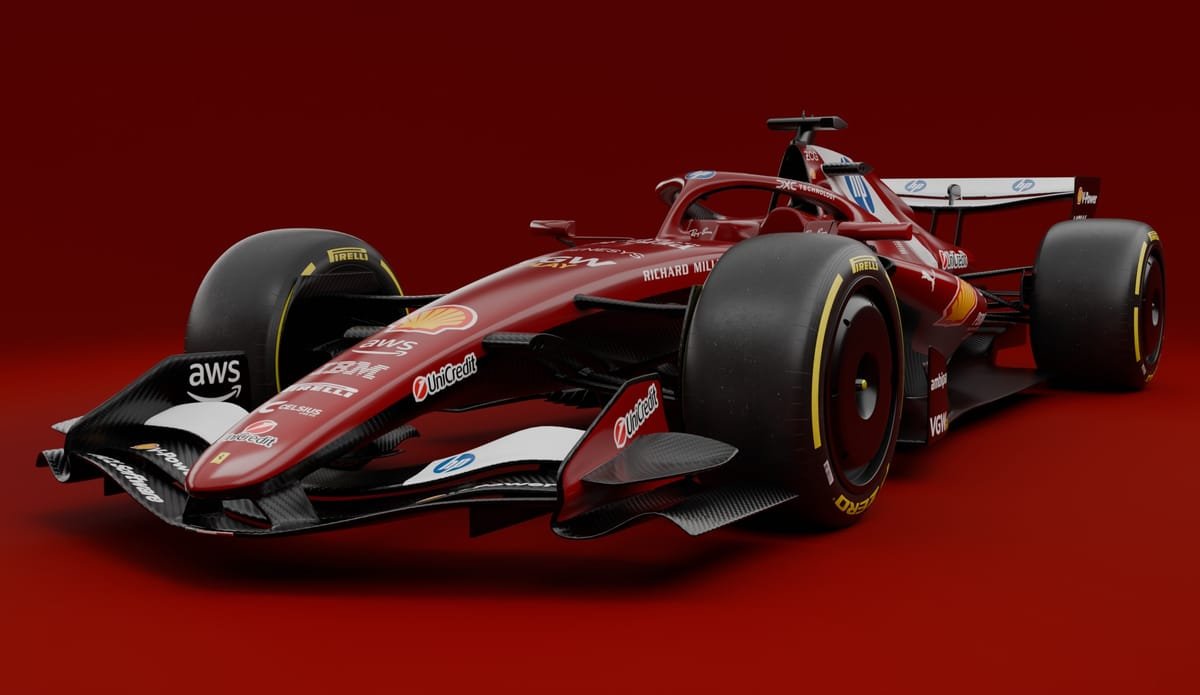
When Ferrari decides to do something, they don’t do it by halves. The prancing horse’s 2026 Formula 1 challenger, the machine that must finally wrest racing supremacy from Red Bull’s claws, is set to be unveiled on January 23 in Maranello, complete with that intoxicating mix of Italian passion and barely-controlled engineering insanity.
Only this time, there’s a twist: instead of rolling out a fully-fettled monster ready for war, Ferrari will hand its drivers Lewis Hamilton and Charles Leclerc something closer to a faithful sprinter just to prove it will actually finish a race. Then they’ll refine it into a thoroughbred.
Spec A — The Ferrari That Grew Up Fast
Think of it as the automotive equivalent of sending your kid to school with the basics first, then giving them all the textbooks later. Ferrari will launch the car in what they’re calling “Spec A” — a lean, mean, reliability-first version intended to rack up laps, not headlines.
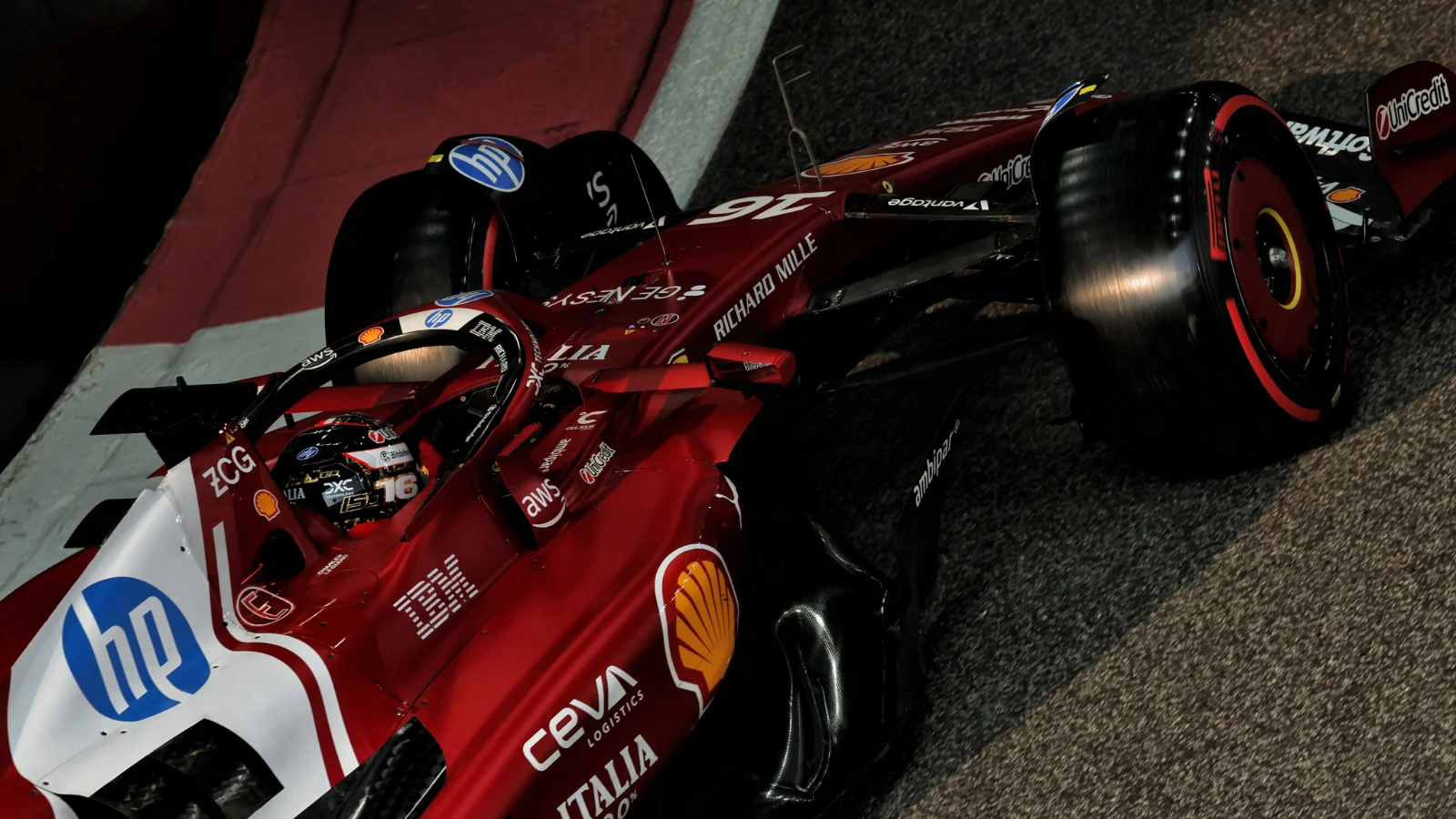
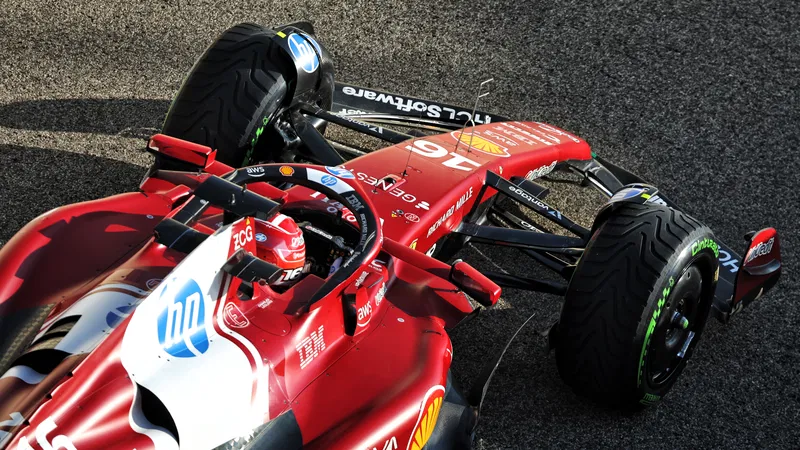
The plan is simple: get on track, get data, and get mileage. The focus isn’t on blistering lap times; it’s about making sure the thing actually works. Because in the new era of F1, where nothing short of a miracle will beat reliability issues or explosive power units, just finishing unscathed can feel like a victory.
Once that’s locked in, Ferrari will fit the aero bits, fine-tune suspension, and unleash the full version later. Ideally before Red Bull can start celebrating another silent procession to the podium.
A January Reveal That’s Better Than Christmas
Unlike other teams that may treat launches with an air of caution, Ferrari treats them like rock-and-roll debuts. Their 2026 car will break cover on January 23, three days before the first private pre-season test at Barcelona. That’s bold: the assembly line will literally be finishing the car the day before the launch. Ferrari boss Fred Vasseur openly admitted the timeline was “aggressive.”
In Ferrari speak, “aggressive” means exactly what you hope it does: late evenings, engineers asleep under the chassis, and maybe an espresso machine on the verge of spontaneous combustion.
A New Era Starts Here
Why all the fuss? Because 2026 isn’t just another season — it’s the biggest technical reset Formula 1 has seen in years. New rules, new power units, active aero, and a whole new ballgame for engineers. Teams are scrambling to interpret the rulebook like it’s ancient hieroglyphs, and finding reliability under those conditions is like assembling a jigsaw puzzle blindfolded — with a sledgehammer ticking nearby.
That’s partly why Ferrari’s approach makes sense. With the entire grid expected to adopt a similar “basic first, upgrade later” strategy, piling on complexity at the risk of unreliability is a luxury no team can afford early on.
What It All Means
So, come January 23, expect Ferrari to lift the covers on a car that’s half thoroughbred, half science experiment, with Leclerc and Hamilton chomping at the bit to give it life. The real drama won’t be in the launch day photos; it’ll be in the hours and kilometres that follow — when the beast gets its first taste of the track, its first tantrum from unreliability, and hopefully, its first glimpses of genuine pace.
Because when you’re Ferrari, even a cautious start is anything but boring.



Be the first to comment